Rosis Ballroom: A Serif and Script Duo for Handmade Products
If you create physical products—candle labels, gift tags, greeting cards, or farmhouse signs—you know the right typeface can make or break your presentation. I test a lot of fonts for my own Etsy shop, and most either look beautiful on screen but fail on a sticker, or come with only one style that limits my designs. Rosis Ballroom is different. This font duo pairs a stunning serif with a modern script, giving you two complementary voices that work together seamlessly. Whether you are printing on kraft paper, cutting vinyl with a Cricut, or designing a digital template, Rosis Ballroom brings a refined, handmade elegance that customers notice.
What Rosis Ballroom Offers the Handmade Seller
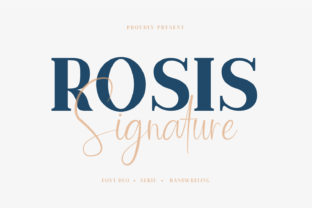
Rosis Ballroom is not a single font—it is two complete typefaces designed to be used together. The serif half carries a classic, slightly ornamental feel with clean lines and gentle contrast. The script half is modern, flowing, and approachable. Together they create a visual personality that is both sophisticated and warm. For a small shop, this means you can build a consistent brand identity without buying separate fonts. Use the serif for main wording and the script for accents, names, or short phrases. The duo covers display use beautifully, but also holds up well in shorter text blocks, making it versatile for everything from wedding invitations to product packaging.
Practical Uses in Craft and Product Projects
I have used Rosis Ballroom in several product lines, and it consistently elevates the perceived quality. Here are some ways you can apply it in your own work:
- Candle and soap labels. The serif works perfectly for scent names like “Vanilla Bean” or “Lavender Fields,” while the script adds a hand-lettered feel to small phrases like “hand poured” or “natural ingredients.” The fonts remain readable at label sizes down to about 1.5 inches wide.
- Wedding and event invitations. Use the serif for the couple's names and event details, then add the script for “together with their families” or “dinner and dancing.” This combination gives a timeless, custom look without the cost of hand lettering.
- Farmhouse and rustic signs. The serif's clean shapes cut well from vinyl for wood signs. I have made welcome signs and kitchen quotes using only the serif, then added a script accent word for balance.
- Gift tags and boutique tags. Small tags often get overlooked, but Rosis Ballroom’s legible letterforms ensure your brand name or message is clear even at 0.5 inch heights. The script swashes add a decorative touch when space allows.
- Printable wall art and digital downloads. Because the duo includes both fonts, you can offer buyers a complete, ready-to-print design. The serif can carry longer quotes, and the script adds visual interest to the title or author name.
- Seasonal and holiday packaging. I created a line of Christmas gift boxes using the serif for “Happy Holidays” and the script for family names. The fonts paired well with both gold foil and matte black prints.
Readability and Production Considerations
One of the biggest concerns when using premium fonts for physical products is readability after cutting or printing. Rosis Ballroom’s serif has moderate stroke contrast—thick enough to hold shape when cut from vinyl or adhered to dark surfaces. I have tested it with a Silhouette Cameo and a Cricut Maker, and the serif cuts cleanly at 1 inch tall for names and short words. The script requires a bit more care because of its connecting strokes. For small stickers or tiny text, I recommend using the serif for body copy and reserving the script for larger display wording or accent letters. In printed form, both fonts read well on uncoated paper and matte sticker stock, which is important for handmade sellers who often use natural materials.
Font Pairing Ideas Beyond the Duo
While Rosis Ballroom already gives you a serif and script together, you can expand your design toolkit by pairing it with other typefaces. For a clean, modern contrast, use a simple sans serif for secondary text such as ingredients lists, care instructions, or addresses. The sans serif should be neutral and unobtrusive so that Rosis Ballroom remains the star. Alternatively, if your project needs a bold headline, consider a chunky display font for a single word, then let the Rosis Ballroom serif handle the supporting details. The duo also works well alongside a handwritten font that has a different texture—just ensure the x-heights and mood align. I often pair the serif with a minimalist geometric sans for product descriptions and pricing, which keeps the overall look professional and easy to read.
What’s Included: Styles, Alternates, and Technical Details
Rosis Ballroom is described as a highly original font duo, so it likely includes multiple weights or stylistic alternates. Check the product page for specifics, but generally, a duo of this quality offers:
- Regular and possibly bold or italic versions of the serif.
- The script font with standard ligatures, alternates, and swashes for natural connecting flow.
- Multilingual support for accented characters, which is important if you sell to international customers.
- Common file formats: OTF, TTF, and sometimes WOFF for web use. For physical product creation, OTF is ideal; TTF works for most cutting machine software.
Before buying, confirm that the font includes the specific characters you need—like numbers, punctuation, and any special symbols for your product names. The presence of alternates and swashes in the script font can save you time when creating custom wordmarks or logo-style text.
Commercial Licensing for Handmade Sellers
Using Rosis Ballroom for your physical products, digital templates, or SVG designs requires the right commercial license. Most premium font foundries offer a standard commercial license that covers selling products with the font included in the design (such as printed invitations, labels, or mugs). If you plan to sell digital files like editable templates, printables, or cut files that embed the font outlines, you typically need an extended license or a specific “printable” or “digital” license. Always read the terms carefully. Some licenses restrict the number of products you can sell or prohibit direct font embedding in software. For an Etsy seller, a standard commercial license usually suffices for physical goods, but when you start offering customizable templates—where the customer can change text—you need additional permissions. Rosis Ballroom’s foundry likely provides clear licensing tiers, so choose the one that matches your business model.
Making Rosis Ballroom Part of Your Brand Identity
Consistency builds recognition. When you use the same font duo across your product labels, packaging, website banners, and social media graphics, customers start associating that visual style with your brand. With Rosis Ballroom, you have a built-in system: the serif stands for reliability and tradition, while the script adds a personal, creative touch. I use the serif for my shop name on every label, and the script for product-specific lines like “handmade with love” or “small batch.” Over time, fans of my shop recognize those fonts and trust the quality. That emotional connection is exactly what handmade sellers need to stand out on crowded platforms.
If you are ready to elevate your product line, give Rosis Ballroom a try. Test it on a few sticker designs, a birthday invitation, and a simple sign. You will quickly see how the duo works across formats and how it helps your creations look polished and intentional—without extra design effort.