Syifa Script: A Bold Handwritten Font for Crafters
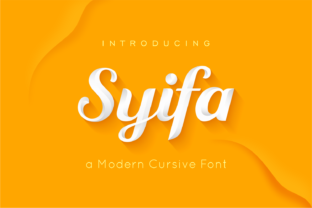
If you make things by hand or run a small shop that depends on product labels, stickers, or digital templates, you already know that the right font can make or break a design. Syifa Script is a fun and bold handwritten font that brings a cool retro feel to any project. Whether you are cutting vinyl for a tote bag or printing tags for a craft fair, this typeface gives your work an authentic, hand-drawn personality that customers love.
I have tested Syifa Script across a range of products, from candle labels to wedding signs, and it consistently delivers the warmth and readability that handmade sellers need. In this article I will walk through practical ways to use Syifa Script in your own shop, how it affects product presentation, and what to keep in mind for printing and cutting.
Why Syifa Script Stands Out for Handmade Products
Syifa Script is not just another handwritten font. It has a bold stroke that makes it visible from a distance, while the retro feel adds charm without looking dated. The letters flow naturally, with slight variations that mimic real hand-lettering. This makes it ideal for product labels, boutique tags, and farmhouse-style signs where you want a personal touch.
Because the font is bold, it holds up well on small stickers and narrow labels. I have used it on 1-inch round stickers for jam jars and the letters remained crisp and legible. For crafters who work with cutting machines like Cricut or Silhouette, Syifa Script welds nicely because the strokes are thick enough to avoid breakage when weeding intricate designs.
- For product labels: The bold weight ensures names and short phrases stand out on packaging.
- For greeting cards: Use it for the main greeting or recipient name.
- For wall art: The retro vibe fits perfectly in modern farmhouse or boho decor.
- For planner pages: Headers and decorative titles become instant focal points.
Every time I preview a design with Syifa Script, I notice how the font immediately adds perceived value. Customers see a carefully lettered look and assume the product is artisanal. That emotional appeal translates into higher perceived quality and stronger brand recognition.
Practical Ways to Use Syifa Script in Your Shop
One of the reasons I reach for Syifa Script so often is its versatility. You can use it across nearly every product category in a handmade business. Let me give you realistic examples from my own work.
Labels, Stickers, and Packaging
For candle labels, syrup bottles, and skincare jars, Syifa Script works beautifully for the product name or a short ingredient phrase. Pair the script font with a clean sans serif for the fine print, and the result looks professional without losing that handmade feel. I recently designed a line of soy candle labels using Syifa Script for the scent name and a simple serif font for the burn time and weight. The combination sold better than any previous label design.
Invitations and Stationery
Birthday invitations, wedding stationery, and thank you cards benefit from the bold retro personality. Syifa Script handles names and titles with ease. For a wedding welcome board I used the font for the couple’s names and the date, then paired it with a lightweight sans serif for the schedule. The board photographed beautifully and guests commented on the handcrafted look.
Signs and Home Decor
Farmhouse signs, chalkboard-style prints, and seasonal decor pieces rely on a display font that can be read at a glance. Syifa Script is bold enough for an 8x10 sign but still feels friendly. I have used it for Christmas gift tags, Easter banners, and fall harvest signs. The retro feel works especially well for vintage-inspired designs.
Merchandise and Apparel
Tote bags, t-shirts, and mugs printed with Syifa Script look like they were hand-lettered by a local artist. Because the font is a handwritten font with natural rhythm, it avoids the stiff look that some digital scripts have. For short phrases like “hello lovely” or “wild & free,” it is almost perfect right out of the box.
Readability and Production Tips for Crafters
When you are producing physical goods, readability is not just about aesthetics—it affects customer satisfaction. Syifa Script is a display font meant for titles and short statements. I recommend keeping text to three to five words for maximum impact on labels and tags. For longer lines, such as ingredient lists or event details, use a supporting sans serif font.
If you are using a cutting machine, here are a few things I have learned:
- Weld overlapping letters: Syifa Script has natural connections between letters, but you may need to weld them in your software to keep fine loops intact.
- Test cut on a small scale: The bold strokes cut cleanly, but always run a test piece for tiny text under 0.5 inch.
- Use the right file format: Check whether the product includes OTF, TTF, or both. OTF often provides better ligature support for scripts.
- Check alternates and ligatures: Many script fonts include stylistic sets that let you vary the look of repeated letters. This is crucial for designs with multiple words starting with the same letter.
For printed products like cards and planner pages, Syifa Script prints cleanly at sizes from 18pt to 72pt. At smaller sizes the character remains legible, but the retro charm really shines at medium to large display sizes.
Pairing Syifa Script with Other Fonts
No font works alone in a well-designed product. Syifa Script pairs naturally with a range of typefaces to create contrast and hierarchy. Here are a few pairings that have worked well for me in real projects.
- Sans serif font: A clean sans serif like a geometric or humanist style keeps the design modern while Syifa Script adds warmth. Use the sans for body text and the script for headlines.
- Serif font: A simple serif gives an elegant, vintage feel when combined with the bold script. This pairing works nicely for wedding stationery and high-end packaging.
- Another script font: If you want a layered handwritten look, pair Syifa Script with a thinner, more delicate script for secondary lines. Keep the styles distinct so they do not compete.
When testing font pairings, always preview the combination at actual production size. What looks balanced on a screen may feel crowded on a label or a mug.
What to Look For When Purchasing Syifa Script
Before you buy, take a moment to review what is included in the font package. The product description for Syifa Script highlights its fun and bold handwritten style with a retro feel, but you should also check for:
- Alternate characters and ligatures: These give you the ability to customize letter combinations and avoid repetition.
- Swashes or decorative tails: If you plan to use the font for logos or signage, swashes can add extra flair.
- Multilingual support: If you sell to international customers, confirm that the font includes accented characters.
- File formats: OTF and TTF are standard. Some sellers also provide WOFF for web use.
Knowing which features are included helps you plan your designs with confidence. I always look for a font that offers at least basic ligatures because they make the handwritten look feel authentic.
Commercial Licensing and What It Means for Your Business
One of the most important steps when using any creative font in a product-based business is understanding the commercial font license. Syifa Script, like many premium fonts, likely requires a commercial license if you plan to sell physical products, digital downloads, templates, or merchandise that incorporates the typeface.
Here is a quick breakdown of common licensing scenarios:
- Physical products: Selling mugs, shirts, labels, signs, or packaging with Syifa Script usually needs a commercial license.
- Digital templates and printables: If you sell editable Canva or Photoshop templates that include the font, you need a license that covers digital distribution.
- SVG designs and cut files: When you convert letters into vector shapes and sell them as design assets, the license may need to allow that.
- Client work: If you design logos or branding for clients using Syifa Script, check whether the license covers multiple end users.
Always read the specific terms from the font seller. Some fonts allow unlimited physical products with a single license, while others require extended licenses for certain uses. Spending a few minutes on this step protects your business and supports the type designer behind the product.
Final Note on Font Licensing
As a maker, I treat font licenses the same way I treat fabric licenses or pattern permissions. It is part of running a professional shop. Syifa Script is a gorgeous tool for your creative work, and using it within the license terms ensures you can keep selling your products without worry.
If you are just starting out, look for font sellers that clearly state their commercial terms. Many offer tiered pricing for small shops versus large enterprises. The investment in a proper license pays for itself the first time you sell a product featuring that font.
Bringing Syifa Script Into Your Craft Workflow
After using Syifa Script on dozens of projects, I can say it is one of those fonts that earns its place in your regular rotation. It works for product labels, stickers, invitations, packaging, signs, apparel, and digital downloads. The bold retro style attracts attention without being overwhelming, and the handwritten feel gives your products a personal edge that customers notice.
To get the most out of this font, pair it with a simple sans serif or serif, test your designs at actual production size, and always verify your commercial license. Whether you are a Cricut user making custom tote bags or a stationery designer creating wedding suites, Syifa Script can elevate your work from everyday to memorable.
I keep a shortlist of fonts that consistently perform well in my shop, and Syifa Script is on that list. If you are looking for a script handwritten font that balances bold character with practical usability, it is worth a close look.